
Building the Heartland American Elderberry Community
Kansas and Missouri growers working together to strengthen regional markets, advance regenerative agriculture, support science-based education, and build the future of American elderberry.
Meet the Growers, Makers, Researchers, and Agricultural Partners
-
![Fossil Springs Winery logo, producer of elderberry and fruit wines in Missouri.]()
Fossil Springs Winery
Paola, KS
Elderberry Farm • Winery • Premium Fruit Wines
-
![Herdsman House Farm logo featuring a farmhouse surrounded by agricultural fields]()
Herdsman House Farm
Paola, KS
Conservation • Community
-
![Lionberry Regenerative logo featuring a stylized lion and woman illustration with botanical elements and the text ‘Lionberry Regenerative'.]()
LIONBERRY REGENERATIVE™
Spring Hill, KS
Ground to Bottle • Soil to Sip
-
![Stonebridge Farm & Nursery LLC logo featuring a stylized tree above a stone bridge, flanked by the U.S. and Norwegian flags.]()
StoneBridge Farm LLC
Baldwin City, KS
Rooted in heritage • Growing for tomorrow
-
![TimberRock Ranch logo featuring two mature oak trees in a rolling pasture landscape with stone-lined foreground, framed by a circular emblem and the text 'Family Owned Sustainable Farming']()
TimberRock Ranch
Family Owned • Sustainable Farming
Fontana, KS
-
![Twilight Grove Farm logo, Clinton County, Missouri elderberry and regenerative agriculture farm]()
Twilight Grove
Trimble, MO
Elderberry • Pollinators • Regenerative Agriculture
-
![Wild Ivy Herb Farm logo showing a young green plant sprouting from soil with a water droplet above, representing sustainable herb farming and plant cultivation]()
Wild Ivy Herb Farm
Lawrence, KS
Culinary & Medicinal Herbs • Elderberries
-
![ADHD Farms logo featuring farm produce, poultry, honey bee, elderberries, and lavender.]()
A.D.H.D. FARMS
Good Soil •Good Food • Good Future
Osawatomie, KS
-
![Casa Somerset Bed & Breakfast and Regenerative Farm logo featuring farmhouse and elderberries.]()
Casa Somerset
Paola, KS
It all starts with the soil • Stewards of the Earth
-
![Fair Share Farm ferments logo with live-culture small-batch tagline.]()
Fair Share Farm
Clay County, MO
Live-Culture • Small Batch Ferments
-
![Farmyard KC logo featuring a green leafy vegetable illustration above purple text reading ‘farmyard kc’ with the tagline ‘small-plot regenerative produce.’]()
farmyard kc
Louisburg, KS
Small-Plot • Regenerative Produce
-
![ACRE (AgriCluster Resilience and Expansion) logo representing collaborative agricultural cluster development and regional economic growth]()
ACRE
Facilitators & Technical Support
Strategic Planning for AgriClusters
-
![From the Land of Kansas logo – Kansas agricultural products marketing program]()
From the Land of Kansas
Grown • Raised • Produced
-
![k-state-extension-johnson-county-partner-logo]()
KSU Extension
Johnson County, KS
Integrated Research • Analysis • Education





Building the Future of American Elderberry in the Heartland
The Heartland American Elderberry Collaborative formed in 2026 after growers, makers, researchers, educators, and agricultural partners across Kansas and Missouri came together through the ACRE (AgriCluster Resilience and Expansion) process. Through facilitated collaboration, strategic planning, and shared visioning, a regional network began to take shape around one common goal: strengthening the future of American elderberry in the Heartland.
American elderberry production continues to grow throughout the Midwest, but many farms and small agricultural businesses face challenges when trying to move beyond raw production into value-added markets. Processing equipment, cold storage, transportation systems, distribution networks, and market access can be difficult to build independently, especially for small and mid-sized farms.
The collaborative was formed to help address these challenges through shared learning, regional coordination, and long-term ecosystem development. By building relationships across farms, educational institutions, agricultural organizations, and community partners, the collaborative aims to support a stronger regional elderberry industry rooted in stewardship, transparency, and opportunity.
Why American Elderberry?
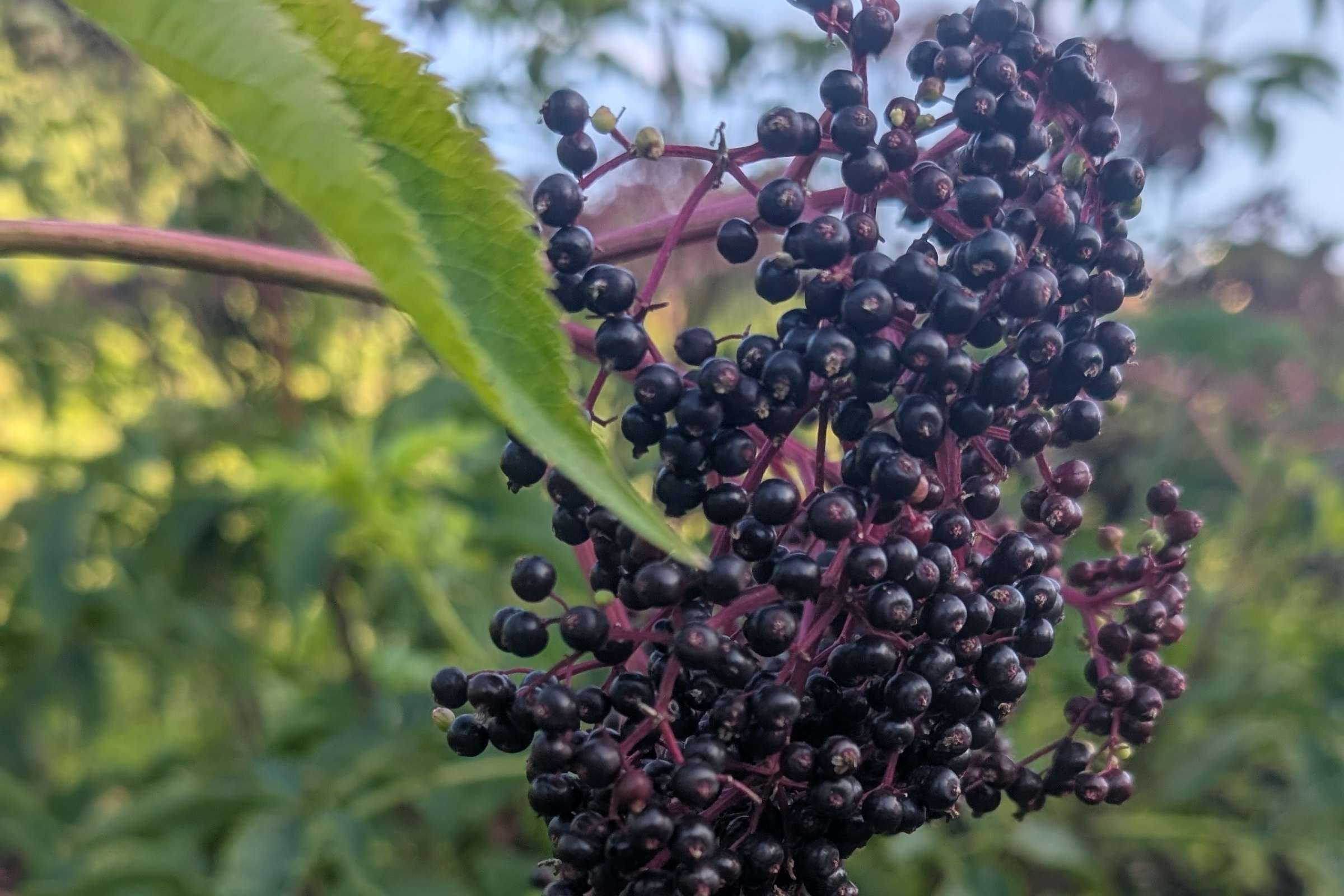
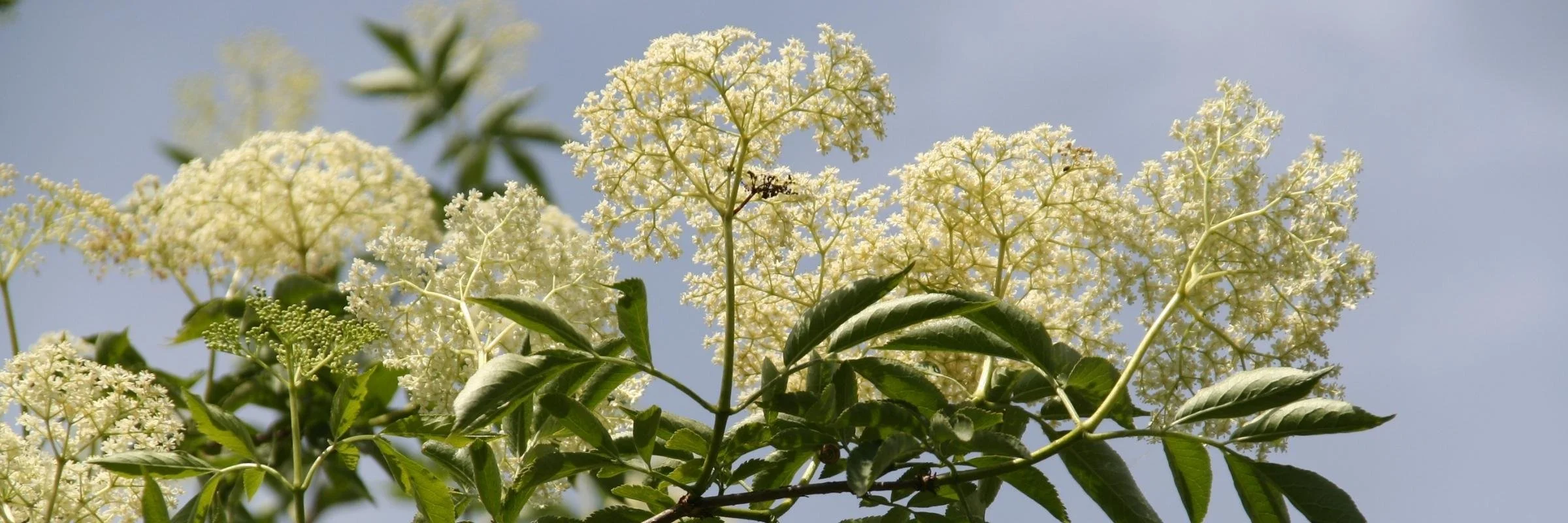
American elderberry has deep agricultural, ecological, and cultural roots throughout North America. Native to much of the United States, American elderberry (Sambucus canadensis) has long been valued for food, pollinator support, traditional use, and ecological resilience.
Today, growers across Kansas and Missouri are helping build a regional specialty crop industry centered around regenerative agriculture, perennial farming systems, value-added agriculture, and science-based education.

Regenerative Agriculture
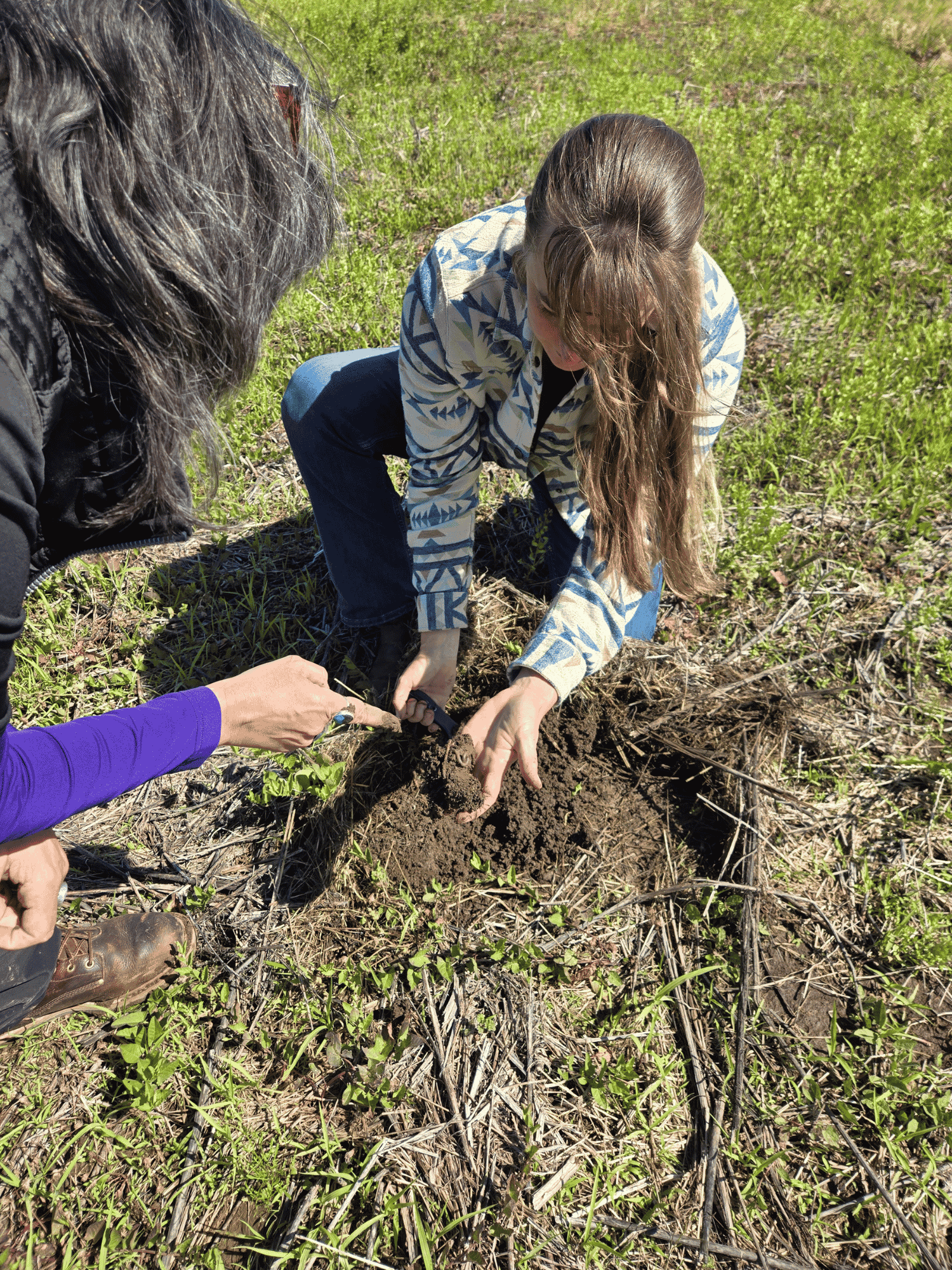
As a perennial crop with extensive root systems, elderberry can help support soil health, reduce erosion, improve pollinator habitat, and contribute organic matter back into the soil over time. Elderberry cultivation can also support biodiversity, wildlife habitat, and diversified farm income opportunities throughout the Midwest.
Because elderberry production can thrive within regenerative and sustainable agriculture systems, the crop offers opportunities for long-term ecological stewardship while supporting resilient local food systems and rural economies.


Regional Opportunity
The Kansas and Missouri Heartland has the potential to become a nationally recognized hub for American elderberry production, value-added processing, agritourism, and regional specialty crop development.
Through coordinated education, shared infrastructure, market development, and farmer-led collaboration, growers and agricultural partners are helping create new economic opportunities for farms, small businesses, and rural communities throughout the region.

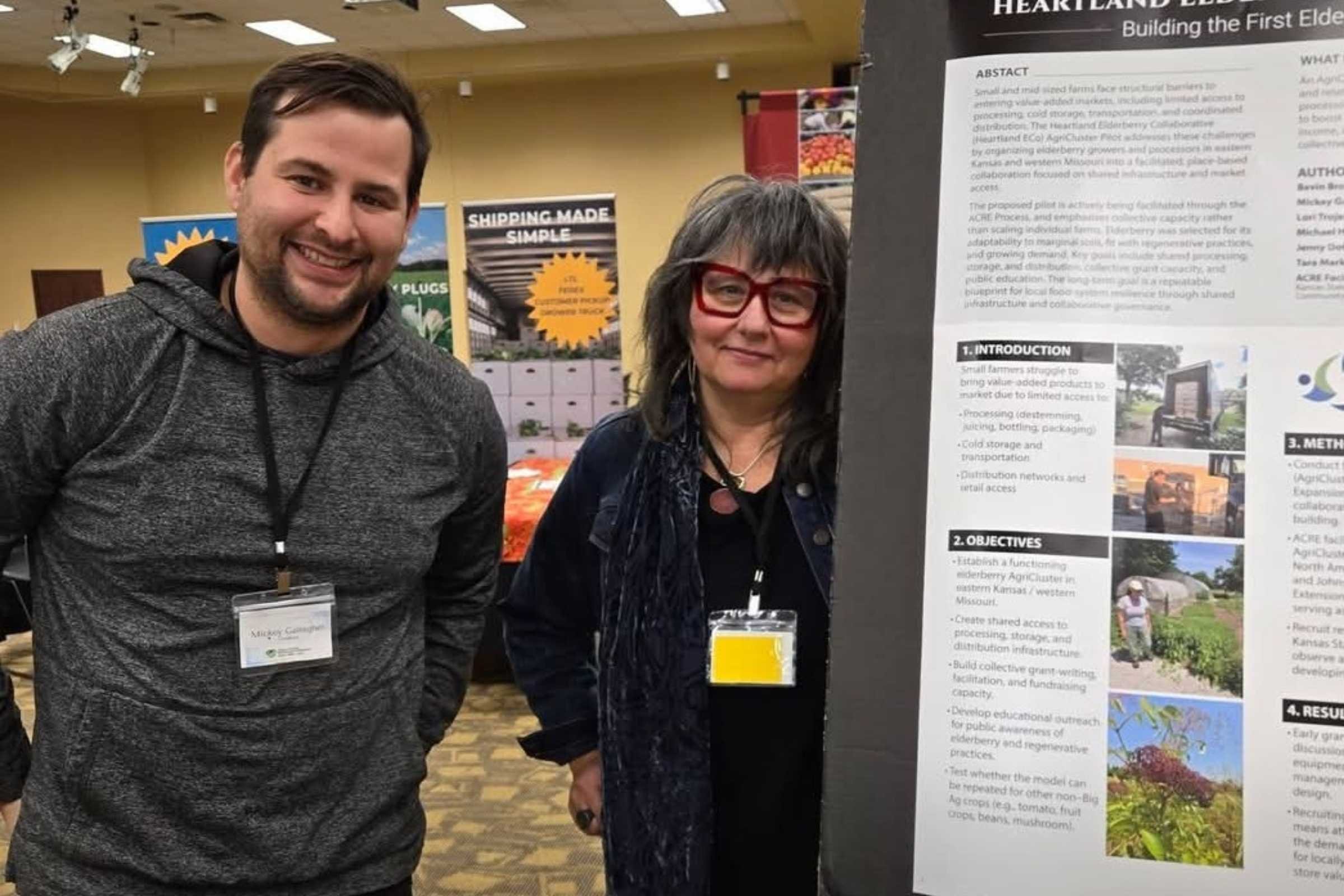
Science-Based Education
The collaborative is committed to promoting accurate, research-informed education related to American elderberry cultivation, production, processing, and products. Members actively engage with scientific literature, university researchers, extension systems, and agricultural educators to support evidence-based communication and responsible industry development.
By prioritizing science-based education and transparent information sharing, the collaborative seeks to strengthen public trust and support long-term credibility for the American elderberry industry.
We’re Not Fighting Over the Same Piece of Pie. We’re Making a Bigger Pie.
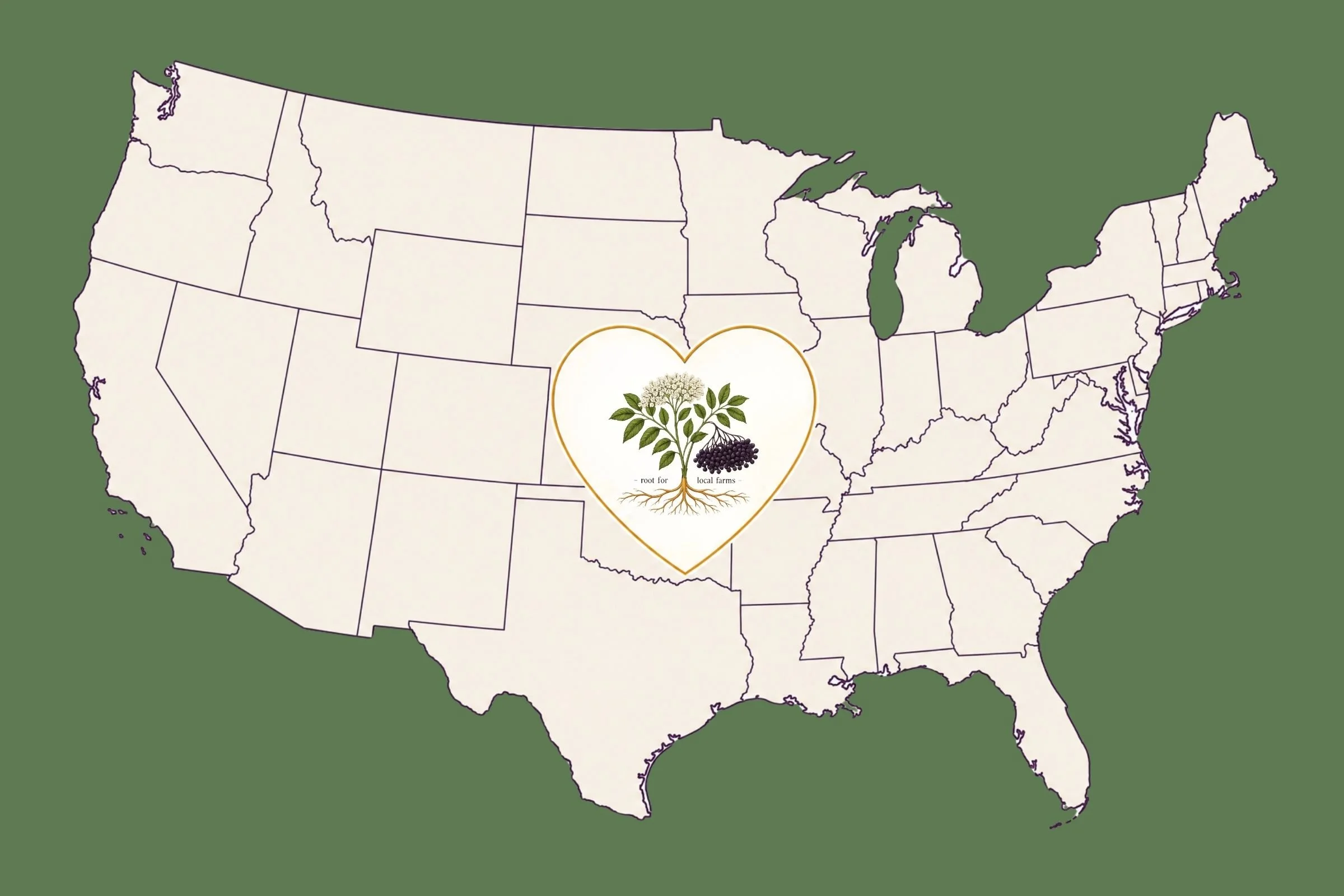
The Heartland American Elderberry Collaborative was formed around the idea that long-term agricultural resilience is strengthened through cooperation, not isolation. Rather than competing for limited opportunities, members are focused on building shared capacity, strengthening infrastructure, and expanding the overall market for American elderberry products and agriculture.
Small and mid-sized farms often face significant barriers when trying to enter value-added markets independently. Processing equipment, transportation systems, cold storage, distribution networks, and retail access can be difficult and expensive to develop alone.
Through collaborative agriculture, growers and agricultural partners can share knowledge, reduce duplication, strengthen regional supply chains, and support the long-term growth of the broader elderberry ecosystem throughout Kansas and Missouri.
Collaborative Agriculture, Not Zero-Sum Thinking
The collaborative model is rooted in the belief that stronger regional food systems are built through shared learning, coordinated effort, and long-term investment in community relationships. By working together across farms, educational systems, and agricultural organizations, the collaborative seeks to create opportunities that benefit growers, consumers, and rural communities alike.
What We Do
The collaborative supports the long-term growth of American elderberry through education, research engagement, regenerative agriculture leadership, and regional market development.
-
The collaborative supports workshops, educational resources, farm tours, public outreach, and grower-to-grower learning opportunities focused on American elderberry cultivation, stewardship, and regional agriculture.
Members are committed to helping growers, consumers, educators, and agricultural partners better understand the opportunities and challenges surrounding American elderberry production and value-added agriculture.
-
Members actively engage with university researchers, extension systems, agricultural educators, and emerging scientific literature related to elderberry cultivation, phytochemistry, food systems, and perennial agriculture.
The collaborative supports evidence-based communication, future research partnerships, and continued advancement of knowledge related to American elderberry production and products.
-
The collaborative promotes regenerative agriculture principles including biodiversity, pollinator habitat, perennial farming systems, soil stewardship, and long-term ecological resilience.
By supporting agricultural systems that prioritize stewardship alongside production, the collaborative seeks to strengthen both environmental sustainability and rural economic resilience throughout the Heartland region.
-
The collaborative supports regional market development for American elderberry through infrastructure coordination, value-added agriculture, agritourism opportunities, educational outreach, and regional business development.
By strengthening connections across farms, processors, researchers, makers, and agricultural organizations, the collaborative aims to help create long-term economic opportunities rooted in local agriculture.
Building Regional Resilience Together
The collaborative vision extends beyond individual farms or businesses. Members are working to help establish a stronger regional elderberry ecosystem capable of supporting growers, processors, consumers, researchers, educators, and rural communities for generations to come.
By investing in perennial agriculture, regional food systems, shared learning, and long-term stewardship, the collaborative seeks to strengthen both ecological and economic resilience throughout the Heartland region.
The long-term goal is not simply to support individual products or farms, but to help build a durable agricultural ecosystem rooted in transparency, science-based education, regenerative agriculture, and regional opportunity.
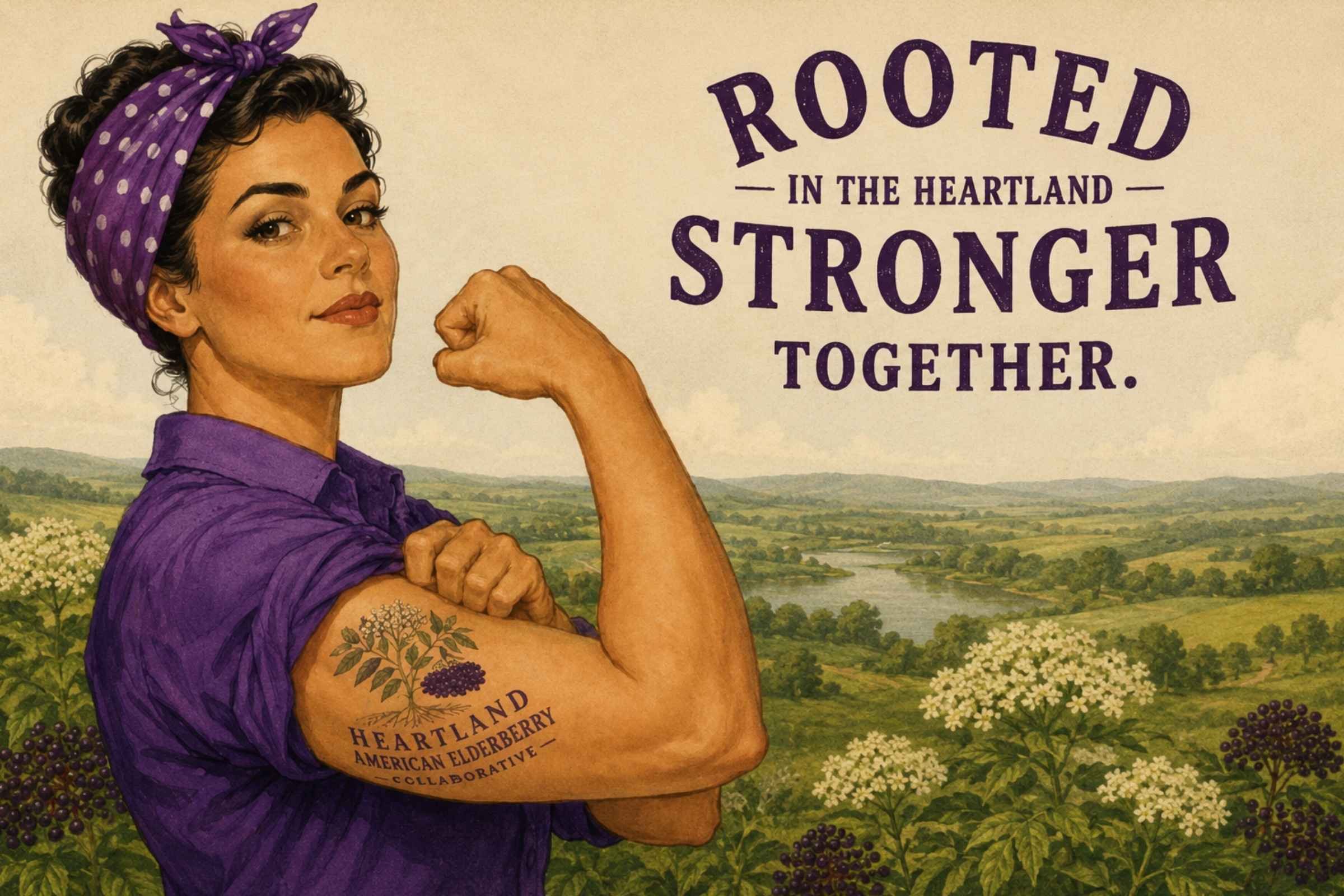
Grow American Elderberry With Confidence
Whether you're planting your first elderberry shrubs or expanding an existing operation, collaborative members offer practical experience and resources to help growers succeed.
From sourcing planting stock to orchard establishment guidance, we connect growers with the knowledge, services, and regional relationships needed to build productive elderberry plantings across Kansas and Missouri.
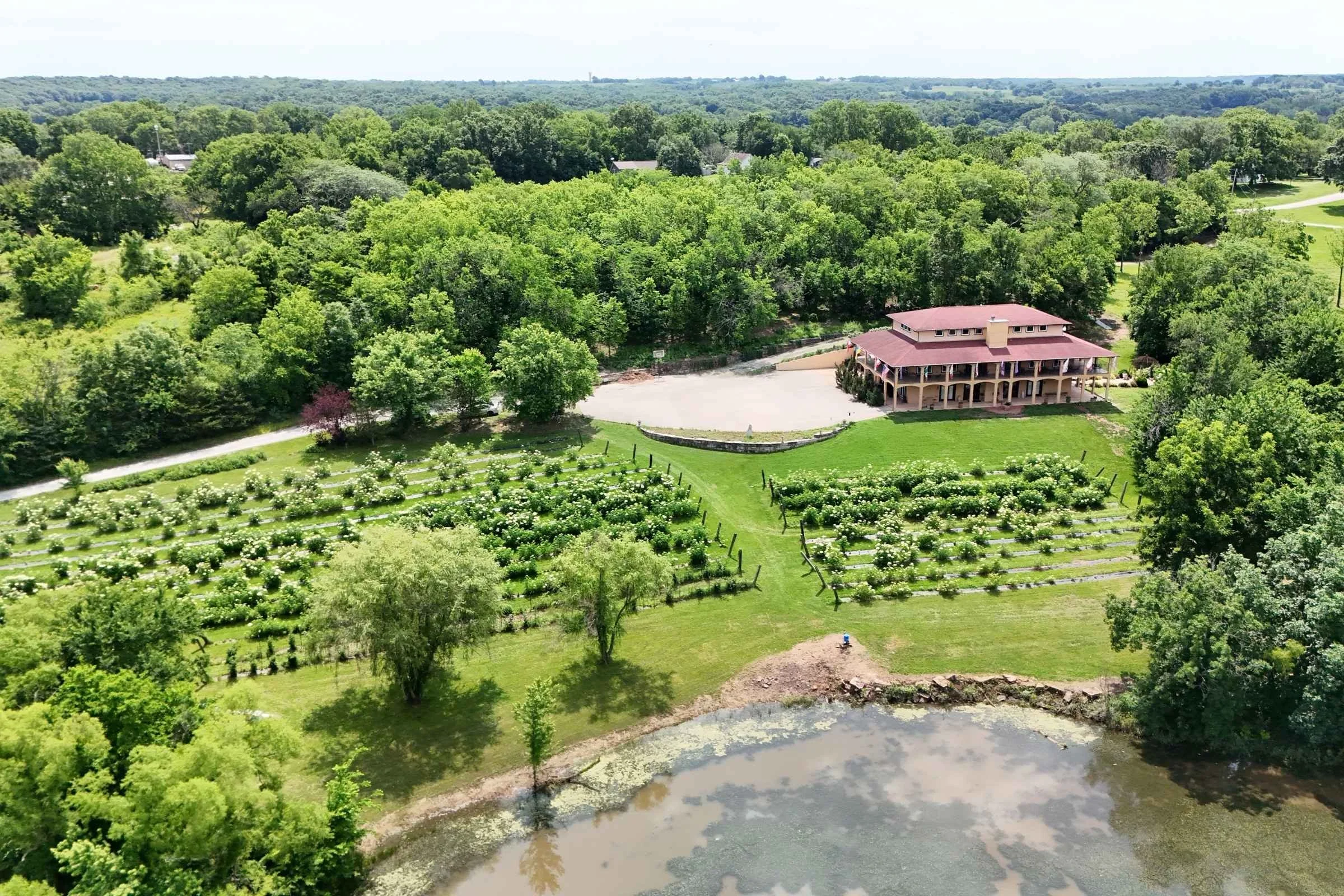
Help Shape the Future of American Elderberry
American elderberry remains an emerging specialty crop with significant potential for regional agriculture, value-added production, ecological stewardship, and rural economic development. Because the industry is still developing, growers and agricultural partners have a rare opportunity to help shape the future of the crop through collaboration, education, and long-term stewardship.
The collaborative seeks to support a farmer-led vision for regional agriculture that prioritizes transparency, regenerative practices, shared opportunity, and science-informed communication.
Contact the Collaborative
Kansas and Missouri Heartland Region
Questions about American elderberry, collaboration opportunities, educational initiatives, research partnerships, or regional agriculture? We’d love to hear from you.
We welcome inquiries from growers, researchers, educators, agricultural organizations, media, and community partners interested in the future of American elderberry.